
Now Playing
A Reflection of Mom’s Organic Market

Hi Angels Working on Earth Family!
Farmers’ markets are filled with lively vendors offering fresh vegetables, fruits, and handcrafted items. The produce is picked at the peak of ripeness, making them full of natural sugars and bursting with flavor. But, beyond the deliciousness, we must also consider the social justice and farming impact. It means eating with justice and considering the social, racial, economic, and climate impact when purchasing.
The vibrant colors of fruits and vegetables attract customers, increasing sales. Eating seasonal produce provides the best nutrition because they are full of fiber, vitamins, and nutrients. Fiber is an active component of fruits and vegetables and is essential to supporting a healthy diet (Slavin, 2012). The freshness of the produce is undeniable, and it reminds me of the deliciousness of the freshly picked food my grandparents’ relatives, who were farmers, gave them.
It takes a village to plant, grow, and harvest crops, so we must consider the impact of environmental racism and the number of food deserts in the United States. It is not just an individual decision concerning food production and consumption. Politics and systems determine who has healthy grocery options available and who does not. We must recognize climate change and poor health related to the lack of sustainability. We depend on fruits and veggies to be beautiful and abundant, and we can achieve this by supporting local farmers who use sustainable farming methods.
I recently visited MOM’s Organic Market, which sells organic produce, and I was impressed by their commitment to social justice and supporting local farmers. Organic food is free of synthetic fertilizers, insecticides, fungicides, herbicides, or pesticides that harm the environment and our bodies (Lair, 2016). MOM’s supports various respected vendors in Virginia and Maryland, and they appear to consider where the food was raised and what transport went into that process. This approach supports local farmers and keeps the carbon footprint of your food relatively low (Levy. n.d.). The store was immaculate, the fruits and vegetables were beautiful, and the staff was knowledgeable and friendly.
Compared to supermarket produce, farmer’s market fruits and vegetables are fresher, more abundant, and more nutritious. The vivid colors of fruits and vegetables reflect the nutrients they contain. Additionally, many local farmers cultivate extremely nutritious produce through careful farming methods.
For my next blog post, I plan to buy a tomato from the supermarket and a gorgeous heirloom tomato from the farmers’ market. I will taste them side-by-side and see which one is better. The farmers’ market has more accessibility to fresher produce, as the vendor is usually the farmer. The supermarket’s challenge is to trust that the vendor will deliver the best products. I had a great experience at MOMS, and I encourage you to visit a farmer’s market or organic store if you haven’t already. By doing so, you are supporting local farmers, promoting sustainability, and taking care of your health.
Coach’s Table


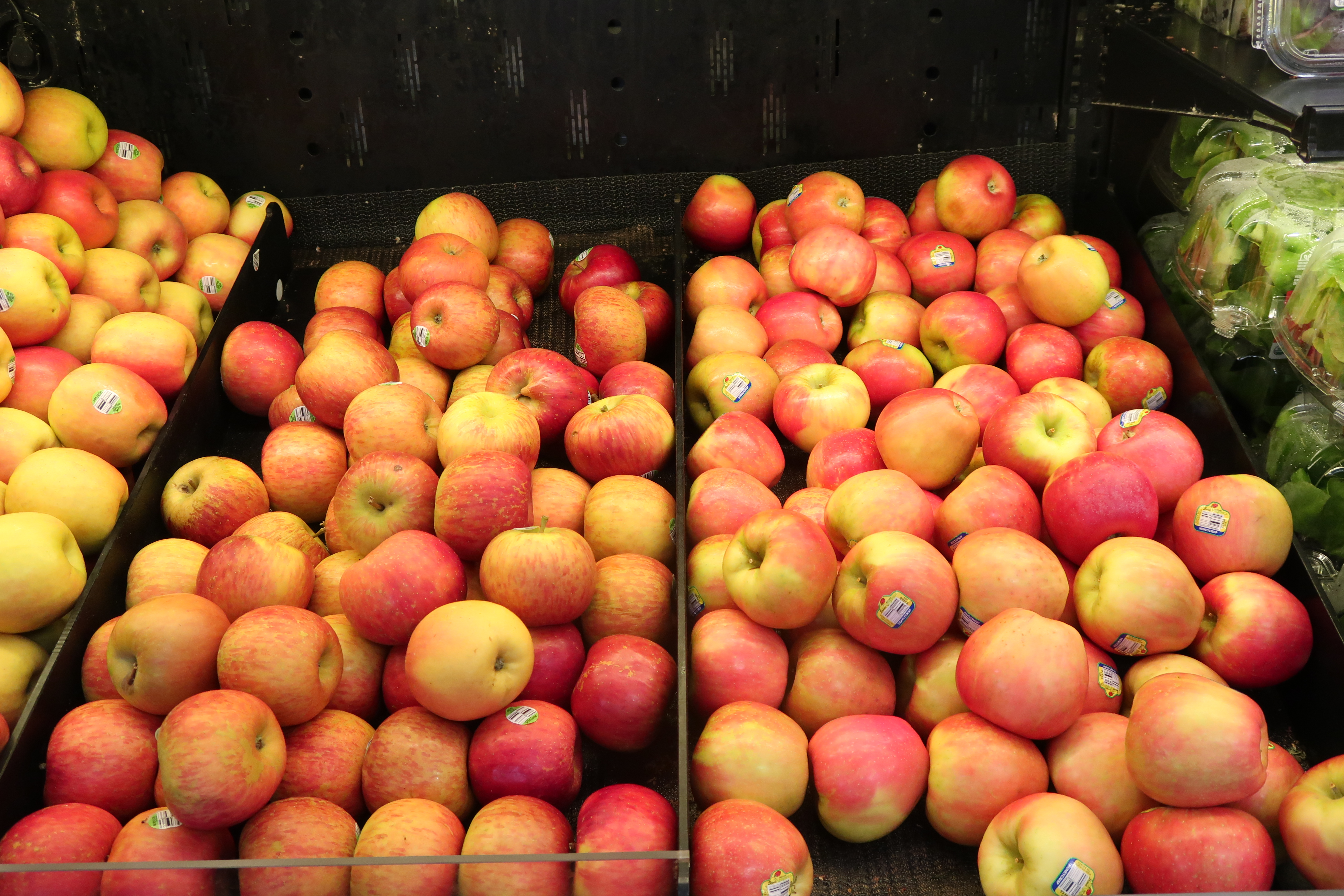
I suggest that you visit both your nearby farmers’ market and grocery store. This will help you to understand the farming practices if you purchase food locally. Also, it will help you to identify the stores that offer healthy grocery options and those who do not.
If you want to watch my experience, please click on the vlogs tab. I hope you find it enjoyable. Don’t forget to like, share, and subscribe.
Love!
References
Lair, C. (2016). Wholesome Family Eating. In S. Roxborough (Ed.), Feeding the whole family: Cooking with whole foods: More than 200 recipes for feeding babies, young children, and their parents. (pp. 79). Sasquatch Books.
Levy Uyeda Ray, n.d.,What’s in a Social Justice Diet? Retrieved on 12/18/2022.What’s in a Social Justice Diet? – YES! Magazine (yesmagazine.org)
More For You

Savoring New York Strip Steak at Carmello’s in Oldtown, Manassas
Succulent Newyork Strip at Carmello’s of Manassas, VA