
Hi Angels Working on Earth Family:
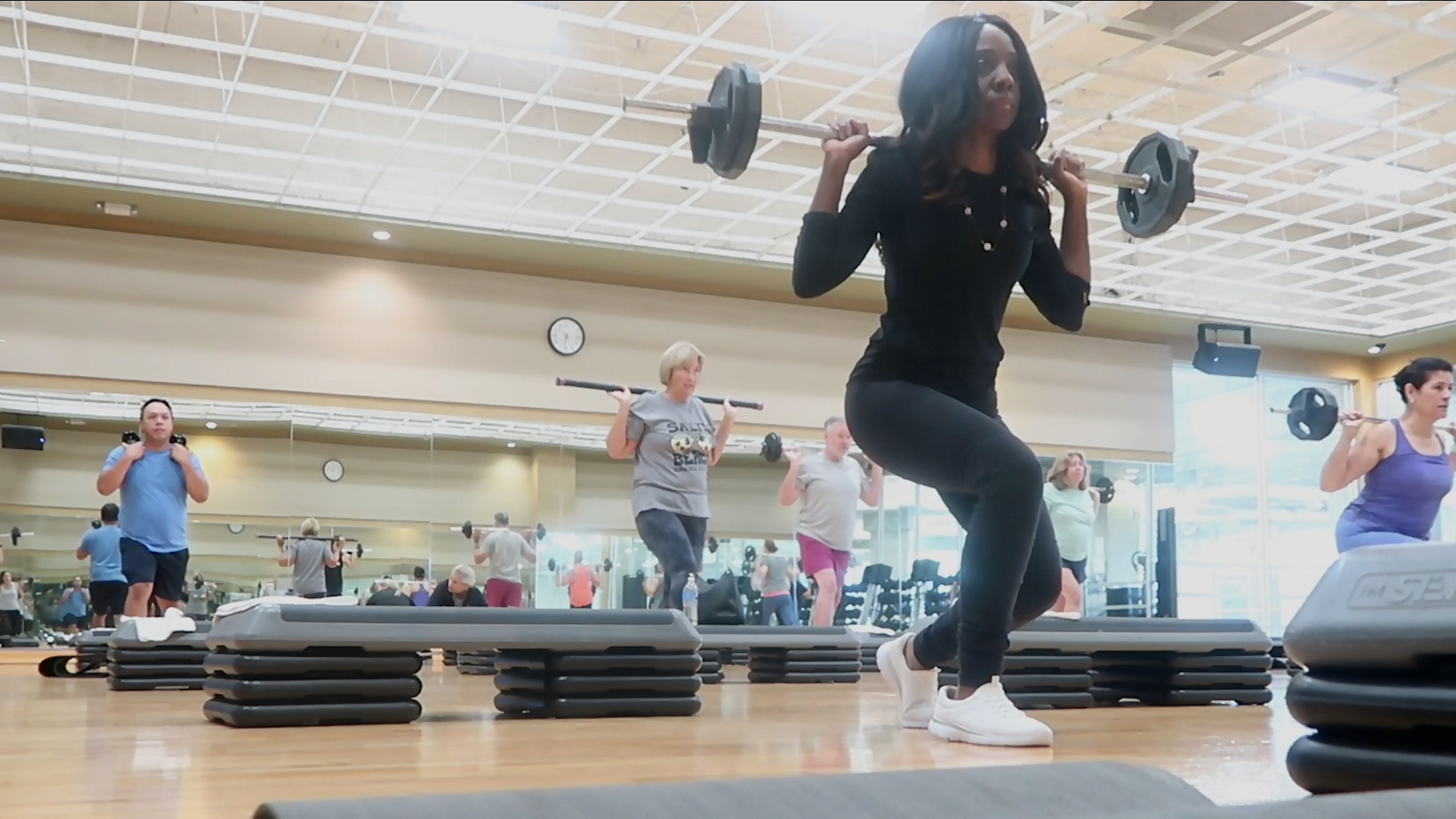
Let’s shift our focus to strength endurance training, aiming to push our limits and maximize our potential. This training will emphasize core strength, muscular endurance, and prime mover strength. By lifting heavier loads, we can enhance the load-bearing capabilities of our muscles, tendons, ligaments, and joints, aiming to increase muscle size and overall strength.
I hope this plan inspires you to create your own unique fitness journey. Check out the video at https://youtu.be/4ydcic27BlY
Let’s get started!
TIP: Warm Up & Cool Down

Include self-myofascial techniques, such as foam rolling, active stretching, and optional dynamic stretching, in your warm-up.
After completing self-myofascial techniques, the next step is to perform one to three active stretches. Active stretches require 5 to 10 repetitions, with the stretched position held for only 1 to 2 seconds.
If you opt to include dynamic stretching, choose one set of 3 to 10 dynamic stretches with a repetition range of 10 to 15.
A cardiorespiratory exercise is optional. The intensity should be low and last between 5 and 10 minutes.
Self-Myofascial Release
When doing self-myofascial techniques, target one to three muscle groups and hold on to each tender area for a minimum of 30 seconds to get the best relaxation response.
Static Stretches
After using self-myofascial techniques, the next step is to perform one to three static stretches. It’s best to stretch the muscles targeted during the self-myofascial techniques, as this helps the muscles relax and improves the range of motion. During static stretching, hold the stretched position for at least 30 seconds to get the best increase in range of motion. A static stretch example is the gastrocnemius stretch:
You must be mindful of the five kinetic chain checkpoints:
- Head, shoulders, hips, knee, and toes.
- Position your head, tuck your chin, and bring your shoulders forward.
- Push forward onto the bench to stabilize your shoulders and engage your core by pulling in your belly button.
- Keep your back toes straight and ensure that they’re not rotated out, keeping your foot straight.
- From this position, contract the muscles in your right glute and quad and push your hips forward to increase dorsiflexion.
- Hold this stretch for 30 seconds, then switch to the other leg.
Essential self-myofascial techniques should not be conducted in the presence of a contraindication. Some conditions, such as pregnancy, diabetes, varicose veins, recent injury or surgery, and hypertension, may be considered either precautionary or contraindicative, depending on your medical status. Seek the advice of a physician.
Dynamic Stretching

Dynamic stretching is not mandatory but can be a helpful addition to the program. It can improve joint range of motion and increase strength and power output. If dynamic stretching is included, choose 3 to 10 dynamic stretches and repeat each one 10 to 15 times.
Activation
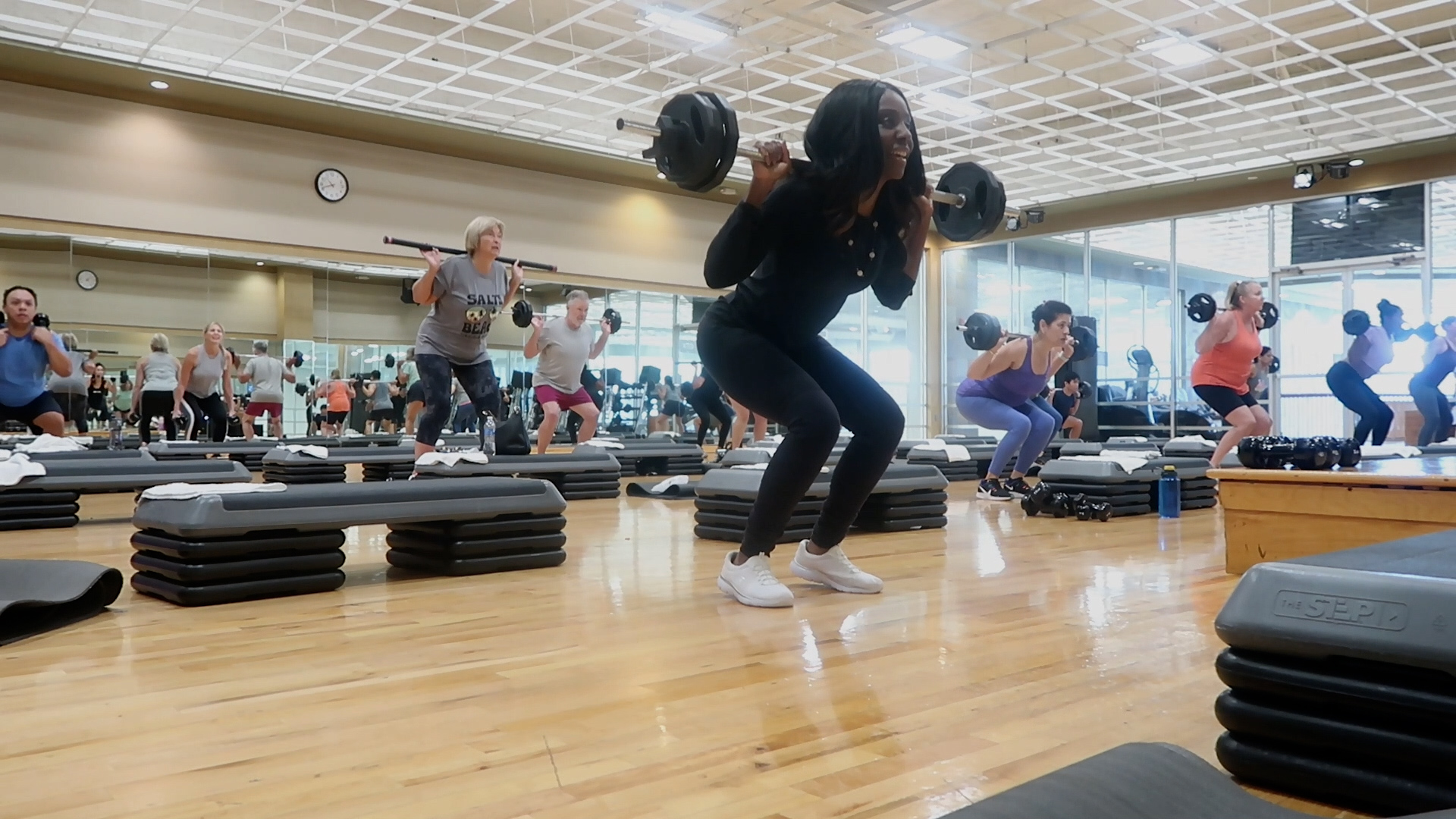
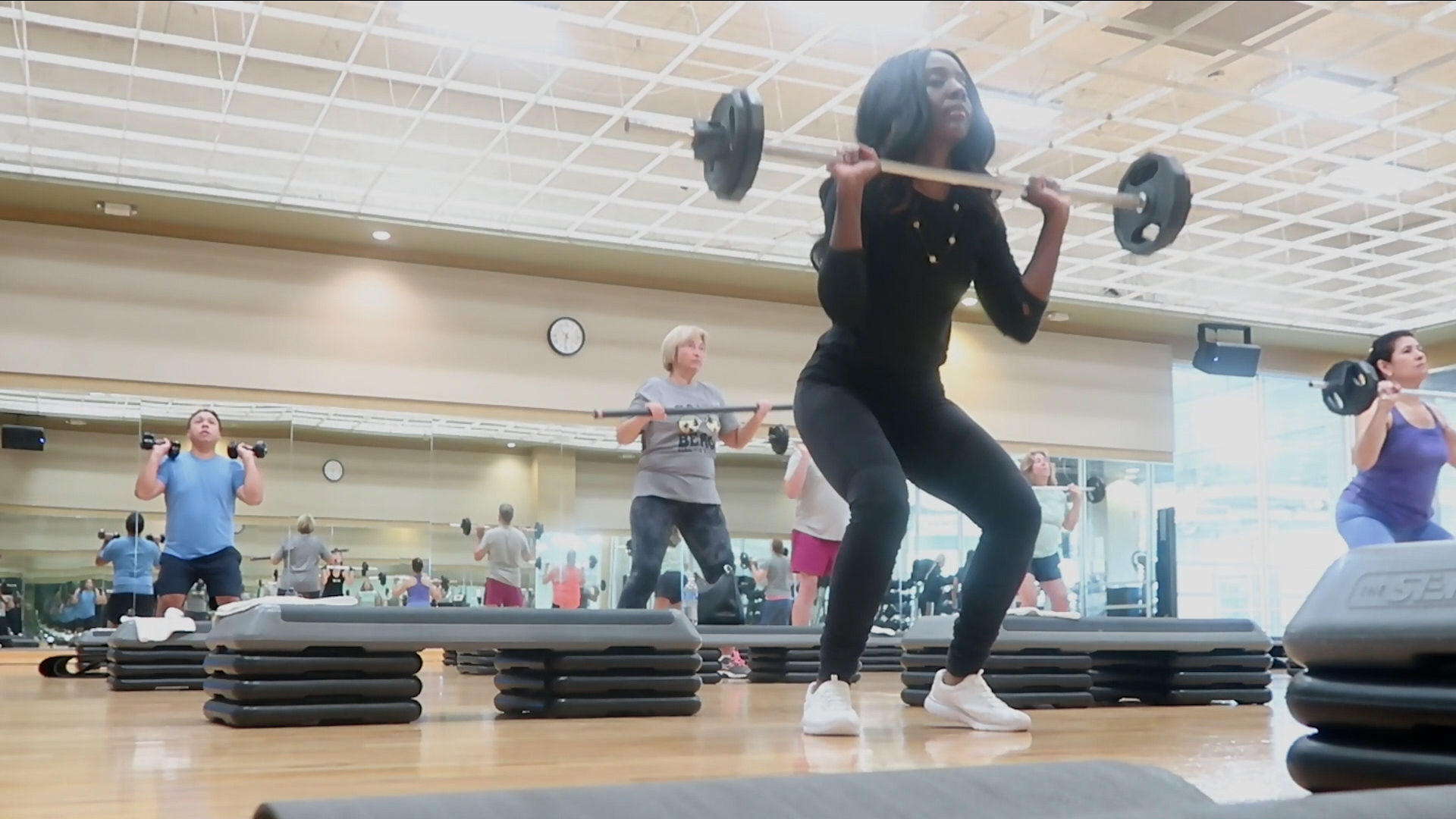
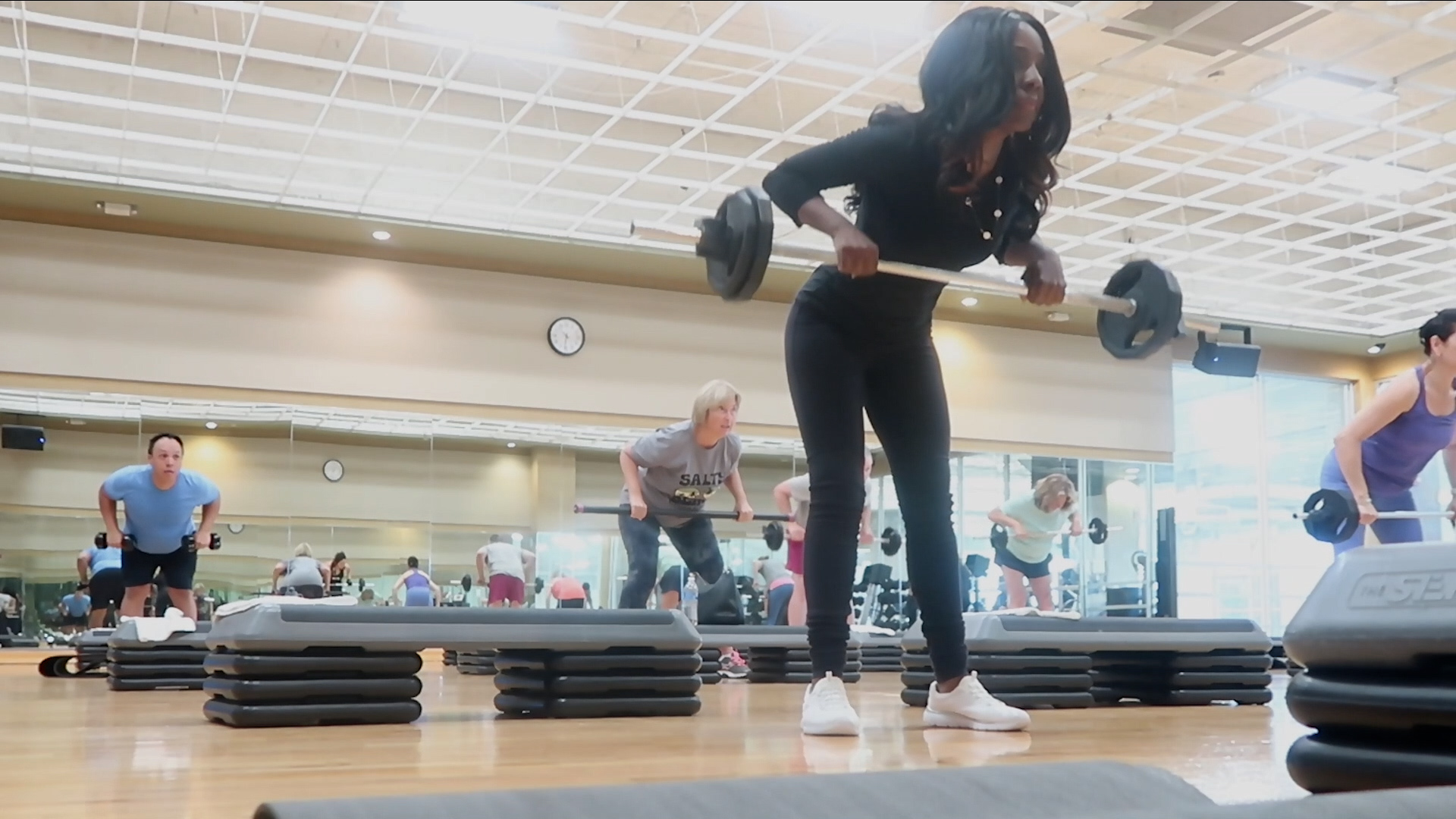
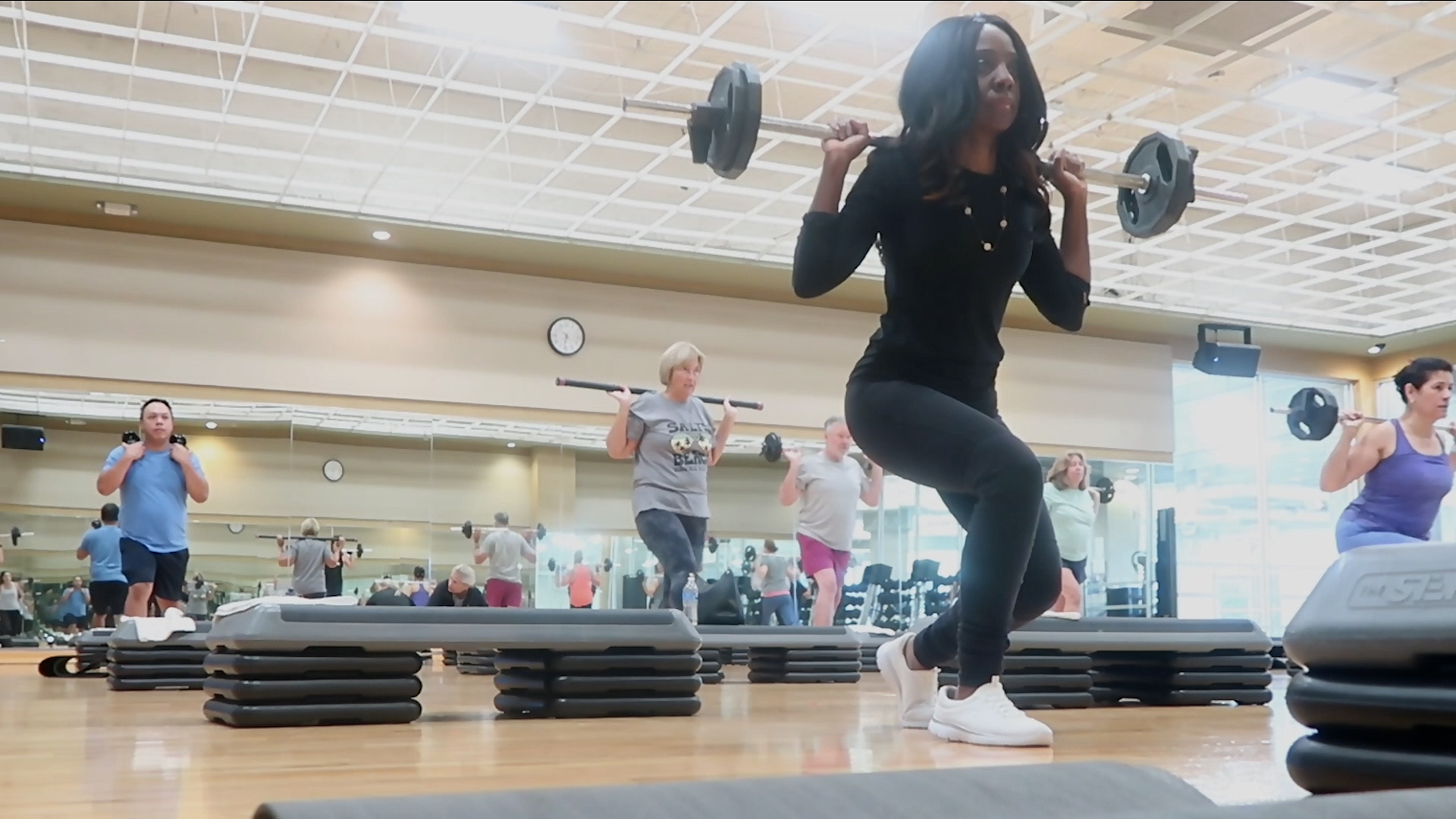
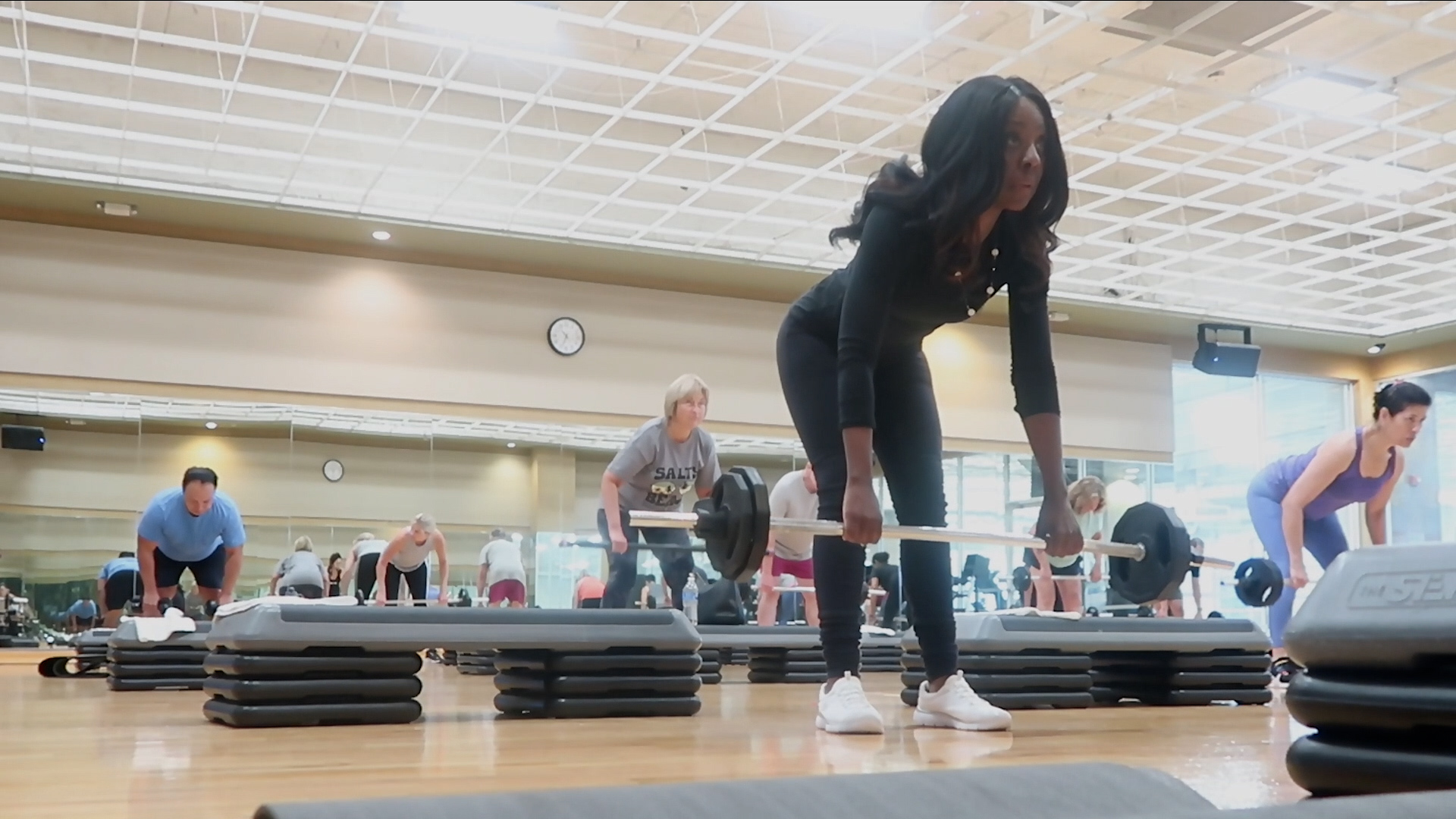
In the upcoming phase, we will build upon the previous article’s foundational static exercises. We will focus on trunk flexion, extension, and rotation, incorporating various exercises such as floor crunches, ball crunches, back extensions, reverse crunches, knee-ups, cable rotations, cable lifts, and cable chops.
In this phase, the aim is to enhance endurance, muscle growth, and overall strength. We will utilize superset techniques to add excitement and motivation to the training. An example of a superset is using a strength-focused exercise, such as a bench press, and immediately following it up with a stabilization-focused exercise with similar biomechanical motions, like a push-up.
Some strength-focused exercises include bench press, machine chest press, machine lat pulldown, machine cable row, machine shoulder press, seated dumbbell shoulder press, barbell squat, Romanian deadlift, and machine calf raise.
Similar to Phase 1, Phase 2 training variables can be progressed by increasing proprioceptive demand (instability), volume (sets or reps), and intensity (load, exercise selection, or planes of motion) and reducing rest periods.
Depending on your goals, fitness level, and training schedule, you can spend anywhere from 2 to 6 weeks in this phase.
These exercises involve flexion, extension, and trunk rotation with slightly faster tempos. Choose between one and four core exercises, using a repetition range of 8 to 12, and two to four sets using a moderate repetition tempo. Some beginner’s core exercises include marching, floor bridges, ball cobras, side planks, planks, and dead bugs. You can progress to more motion at the hips and spine—for example, floor crunch, back extension, reverse crunch, and cable chops. Then, progress to medicine ball chest passes, pullover throws, soccer throws, wood chop throws, and overhead throws. Keep in mind core workouts can improve posture, enhance performance, increase injury resistance, and accelerate rehabilitation.
Balance Training
When starting balance exercises, try simple movements of the balance leg. This helps improve joint stability. You can choose between one and four balance exercises, doing 12 to 20 repetitions (6 to 10 per leg) for one to three sets. Examples of balance exercises are tandem stance, single-leg balance, single-leg balance reach, single-leg hip internal and external rotation, single-leg lift and chop, single-leg arm and leg motion, single-leg windmill, and single-leg throw and catch. The benefits of proper balance are optimizing performance, improving injury resistance, and enhancing injury rehabilitation.
Plyometric and SAQ Exercises
You’re not just working out when you incorporate plyometric (reactive or jump training) and SAQ (Speed, Agility, and Quickness) training into your routine. You’re improving your performance, increasing your bone mineral density, and strengthening your soft tissues. You’re also boosting your metabolism for better weight management and loss and enhancing your strength and power. This training improves muscle contractions and nervous system coordination, benefiting athletes of all levels and the general population. “Examples of Plyometric exercises are squat jump with stabilization, box jump-up with stabilization, box jump-down with stabilization, and multiplanar jump with stabilization. Examples of SAQ exercises are speed ladder drills, side shuffle, in-in-out-out, zig-zag, and Ali shuffle. Cone drills, such as a 5-10-5 drill, T-drill, box drill, modified box drill, and LEFT drill, are also appropriate.
Resistance Training
Resistance training efficiently increases muscle strength and size, regardless of age or gender. It also plays a crucial role in improving bone density, cardiovascular health, athletic performance, and recovery from musculoskeletal injuries. When paired with proper nutrition, resistance training can help increase lean body mass and reduce body fat. One should understand its wide-ranging benefits and develop effective resistance training plans for people of all ages and varying fitness goals.
Favorite Exercises
Choose one or two exercises that you enjoy to increase exercise adherence and self-efficacy.
Cool Down
The cool-down should last between 5 and 10 minutes and include optional cardiorespiratory exercise, self-myofascial techniques, and static stretching. When using self-myofascial techniques, hold onto tender areas for at least 30 seconds to relax, followed by static stretching for the same muscles.
LOVE!