Have you ever experienced the inconvenience of eye floaters? They can be quite troublesome, particularly when you’re trying to read or perform activities that require clear vision. What exactly is an eye floater? Let me explain the causes and provide you with some helpful anecdotes on how to manage them in case you ever develop them.
What Are Eye Floaters?
Eye floaters are specks, cobwebs, or strings that appear in your vision and can shift around when you move your eyes. They are typically caused by changes in the vitreous that occur as a result of aging, which cast tiny shadows on your retina.
If you notice a sudden increase in floaters, particularly accompanied by light flashes or vision loss, it is essential to contact an eye specialist without delay. It is generally best to avoid bright lights since they make the floaters more noticeable. Instead, try moving your eyes up and down or from side to side to shift the floaters.
I’ve been told eye floaters are usually harmless, but do not hesitate to seek medical attention if you experience a sudden increase in floaters or other symptoms.
Eye floaters can result from changes in the vitreous due to aging or other illnesses and conditions. The vitreous is a gel-like substance made up of water, collagen, and hyaluronan that fills the space between the lens and retina in your eye, assisting in maintaining its round shape.
As you age, the vitreous undergoes changes. Over time, it liquefies and contracts, causing it to pull away from the inner surface of the eyeball. As a result, collagen fibers within the vitreous can form clumps and strings that cast tiny shadows on your retina, which are seen as floaters.
Causes
Floaters in the vitreous can also be caused by inflammation in the back of the eye. Posterior uveitis, which is inflammation of the middle layer of tissue in the eye wall (uvea), can lead to inflammation of the retina and the choroid eye layer. Posterior uveitis can be caused by infections, autoimmune disorders, and inflammatory illnesses.
Bleeding into the vitreous can also cause floaters, and it can have various causes, such as retinal tears and detachments, diabetes, high blood pressure, blocked blood vessels, and injury. Floaters are visible as blood cells.
Retinal tears can occur when the vitreous contracts and pulls on the retina with enough force to tear it. If left untreated, retinal tears can lead to retinal detachment, which, if fluid leaks behind the tear, can cause the retina to separate from the back of your eye, resulting in permanent vision loss.
Certain medications injected into the vitreous can cause air bubbles to form, which are visible as shadows until your eyes absorb them. Additionally, silicone oil bubbles added during some surgeries on the vitreous and retina can also appear as floaters.
Personal Anecdote
I have discovered that a well-balanced diet can significantly reduce eye floaters. Consuming foods that are rich in antioxidants and nutrients that support eye health can help to strengthen and replenish your eyes. Nutrients such as omega-3 fatty acids, and vitamins A, B12, C, and E are essential for maintaining healthy eyes. Here are some food sources I consume that contain most of these nutrients.
Foods I Eat
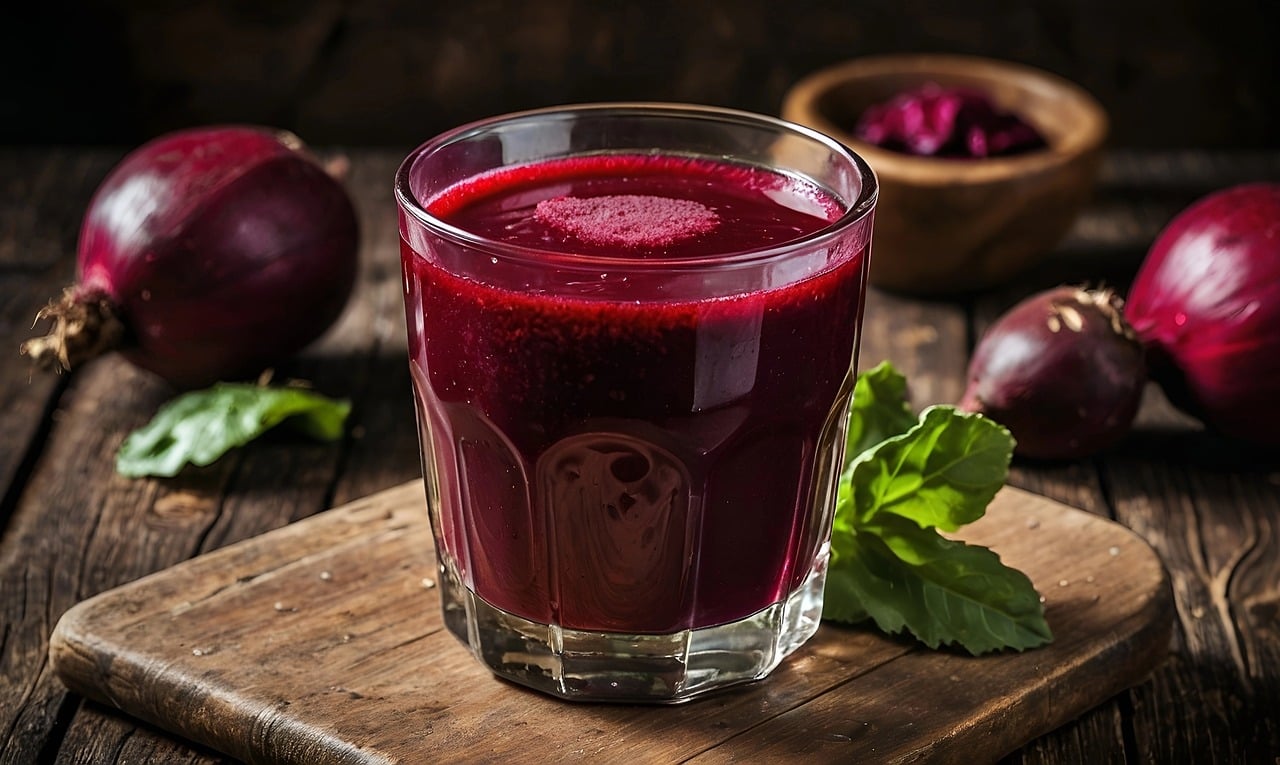
I understand if you can consume beetroot daily to help with eye floaters. According to Chinese medicine, a healthy liver is essential for good eye health by nourishing the eyes with nutrient-rich blood and detoxifying waste. Therefore, it is recommended to consume blood-building foods like beets for a healthy liver. Beetroot is also rich in lutein, zeaxanthin, B vitamins, Vitamin C, and dietary nutrients that can improve ocular function, overall retinal health, and lower eye pressure.
Carrots are considered to be one of the best foods for your eyes. This bright orange vegetable is rich in beta-carotene which is converted into Vitamin A in the body. Vitamin A plays a key role in protecting vision, improving night vision, treating eye diseases, and protecting the cornea. You can easily consume one medium raw carrot per day or try making your own special vision recipe using the suggestions in this article.
Citrus fruits, such as oranges, lemons, limes, clementines, grapefruit, tangerines, and others, are a great source of Vitamin C. Vitamin C is crucial for maintaining eye health as it aids in the formation and maintenance of collagen, which includes connective tissue in the body and blood vessels in the eye. It also protects the eyes from age-related macular degeneration, cataracts, dry eye syndrome, and loss of visual acuity.
Spinach is a leafy green vegetable that is great for eye health! It contains Vitamin A and two antioxidants, lutein and zeaxanthin, which are concentrated in the macula and protect it from degeneration. Spinach is also a blood-building food that promotes a healthy liver, ensuring healthy eyes. I pressure cook it or stir-fry with other greens to make it more palatable. I especially love juicing and making green smoothies.
Fish like salmon, anchovies, herring, and sardines are great sources of omega-3 fatty acids, particularly DHA (docosahexaenoic acid). DHA is concentrated in the retina, helping to strengthen the cell membranes that make up the eyes. Omega-3 also safeguards the retina and slows down macular degeneration.
Some studies suggest that eating this particular food may break up floaters into smaller ones, leading to brighter and whiter eyes. I hope this will also improve my overall health, and dark floaters will get lighter. At the very least, I will be healthier.